

Technology
GasTran’s rotating packed bed (RPB) technology uses intense centrifugal force to intensify gas–liquid mass transfer — delivering the performance of a tall packed column in a compact, fast-responding device.
What Is an RPB and How Does It Function?
A rotating packed bed (RPB) operates by spinning a packing material at very high rotational speeds to create intense centrifugal forces. As the rotor turns, liquid feed is introduced near the center and is flung outward through the packing. This motion spreads the liquid into extremely small droplets and thin films. This dramatically increases the interfacial area available for mass transfer. Gas is flowed countercurrent to the liquid, typically from the outer edge inward, and the combination of high surface area and short diffusion paths leads to exceptionally efficient contact between the phases.
Inside the RPB, the centrifugal acceleration can reach hundreds of times the force of gravity. This artificial “gravity” compresses the mass-transfer zone into a compact region and accelerates the rate at which molecules move between phases. Because the packing is continuously refreshed by the rotating motion, the liquid distribution remains uniform even at low flow rates. The result is a highly intensified mass-transfer environment where absorption, stripping, or chemical reactions occur far more rapidly than in a conventional packed column.
The overall process is continuous and steady once the rotor reaches operating speed. Liquid exits at the periphery after passing through the packing, while treated gas leaves near the center. The mechanical design isolates the rotating internals from the stationary housing, allowing the system to maintain controlled flow paths and minimize pressure drop. By combining mechanical energy with traditional mass-transfer principles, the RPB achieves high throughput in a compact device, making it a powerful alternative to large, gravity-driven towers.

Traditional Columns
Gravity-driven packed and tray columns are constrained by their size and slow hydrodynamics.
- Large footprint and tall, bulky towers
- Long stabilization and spin-up periods
- Narrow turndown with flooding and weeping
- Higher structural and installation costs
The GasTran RPB
Centrifugal force intensifies mass transfer in a compact, responsive device.
- Compact footprint for retrofits, offshore, and modular plants
- Rapid spin-up to steady operation
- Wider turndown ratio without flooding or weeping
- Lower structural, installation, and materials costs
How an RPB Outperforms a Traditional Column
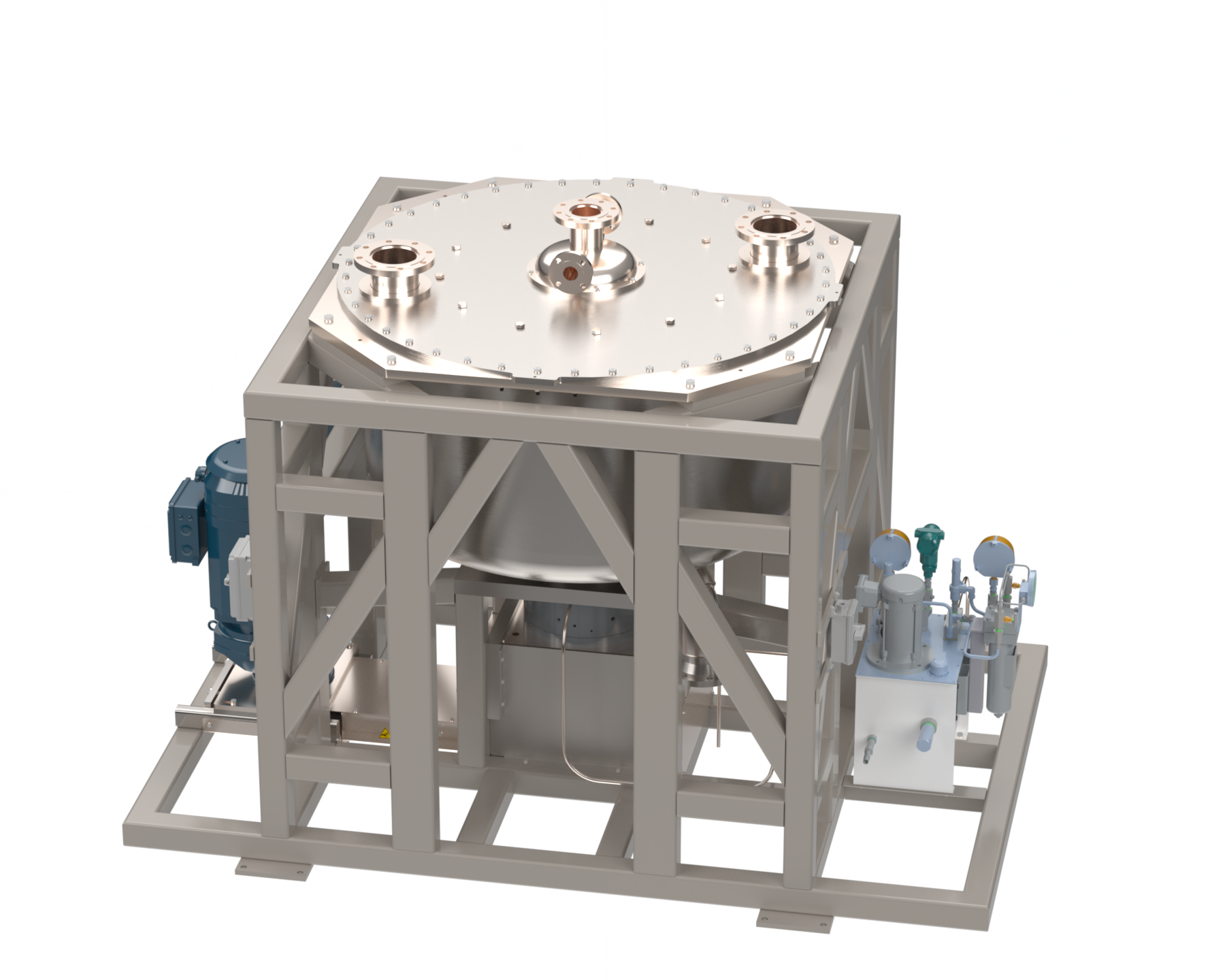
Rotating packed beds (RPBs) offer a striking advantage over traditional mass transfer columns when footprint is a priority. Because RPBs intensify mass transfer by generating extremely high centrifugal forces, they achieve the same or greater separation performance in a dramatically smaller volume. This compactness can be transformative in facilities where space is constrained, such as retrofits, offshore platforms, or modular plants. Instead of relying on tall, bulky towers, an RPB compresses the effective contact area into a tight, efficient device that can often be installed where a conventional column simply wouldn’t fit.
Another area where RPBs shine is dynamic responsiveness. Traditional packed or tray columns have long stabilization periods due to their large holdup volumes and slower hydrodynamics. In contrast, an RPB can reach steady operation quickly because the rotating field rapidly establishes liquid distribution and gas–liquid contact. This “spin-up” advantage makes RPBs appealing for processes that cycle frequently, require rapid startup, or benefit from flexible operation. Their high mass-transfer efficiency also supports a wider turndown ratio, allowing operators to maintain performance across a broader range of flow rates without the flooding or weeping issues that plague conventional columns.
Upfront cost is more nuanced, but RPBs can offer meaningful savings depending on the application. While the rotating equipment introduces mechanical complexity, the dramatically reduced size often lowers structural, installation, and materials costs. Foundations, supports, and ancillary systems shrink along with the equipment itself. In some cases, the overall capital expenditure ends up lower than that of a full-scale mass-transfer tower, especially when space constraints would otherwise drive expensive custom engineering. Even when the equipment cost is comparable, the operational flexibility and compact footprint can make RPBs the more economical choice over the life of the system

What Sets GasTran Apart
Packing
Packing is the most critical aspect of any RPB system — it is where the mass transfer happens and the biggest influence on the efficiency of the overall system. GasTran has focused the majority of its research and development on identifying or creating the best packing available. There are many variables which affect the overall performance of the packing inside an RPB:
- How much open space relative to solid material exists. This is often measured through Pores Per Inch (PPI) or Void percentage.
- Chemical compatibility with a process. This applies not only to the designed process, but also to any cleaning chemicals which may be used between batches, or as part of FDA requirements.
- Physical properties like weight, thermal resistance and strength.
Through hours of lab and field testing GasTran has identified or developed several packing technologies which will ensure the best performance for any RPB process:
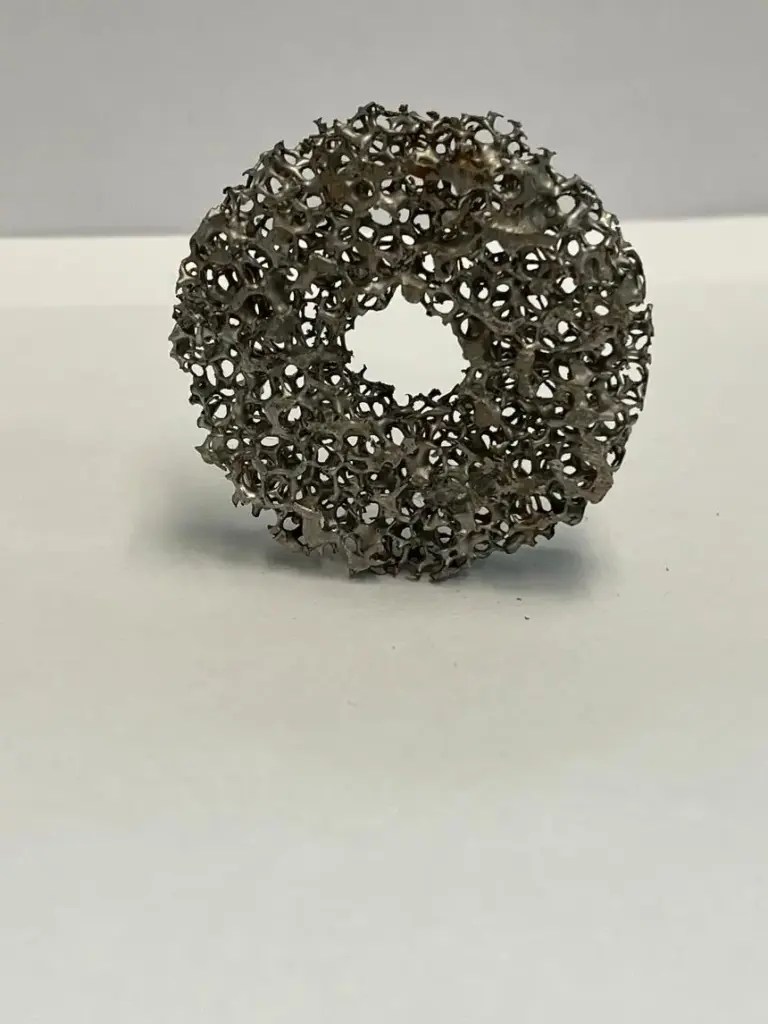
Metal Foam
Stainless steel foam is the first choice for our beverage deaeration units because of its resistance to tarnish and its ability to withstand CIP processes.

ceramics
Extremely lightweight and chemically resistant material with a variety of PPIs.
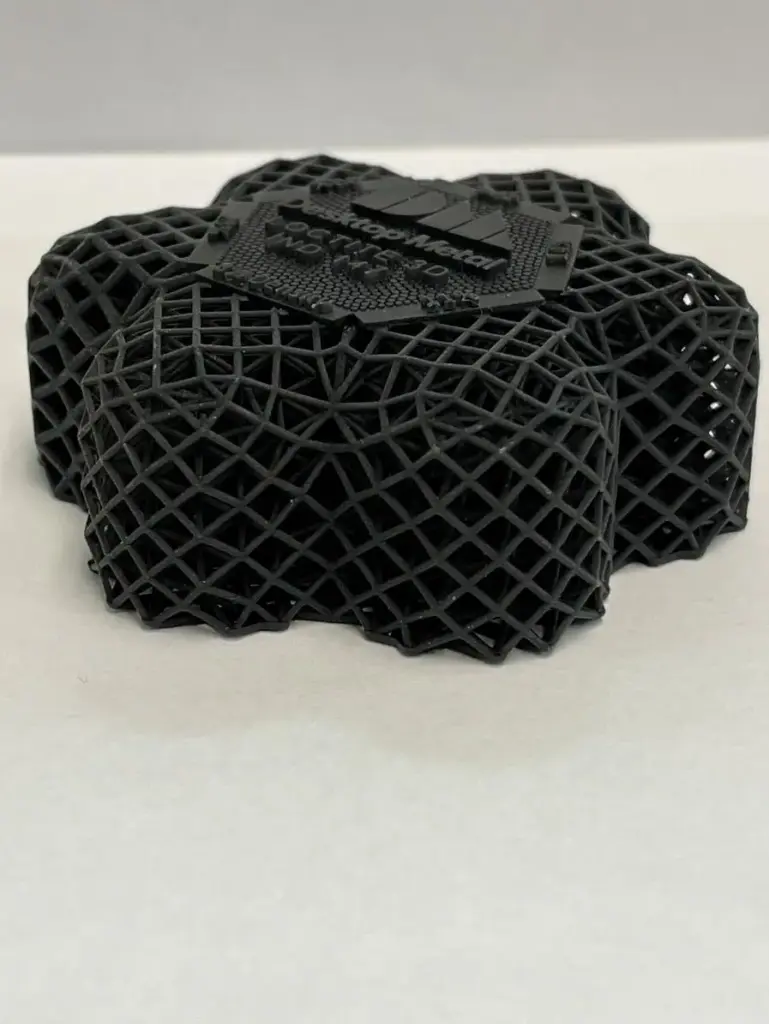
Polymer foams
Select polymers have found application in many processes, but may require extensive compatibility testing. Its suitability for 3D printing makes it ideal as a material to custom design pore size or shape.
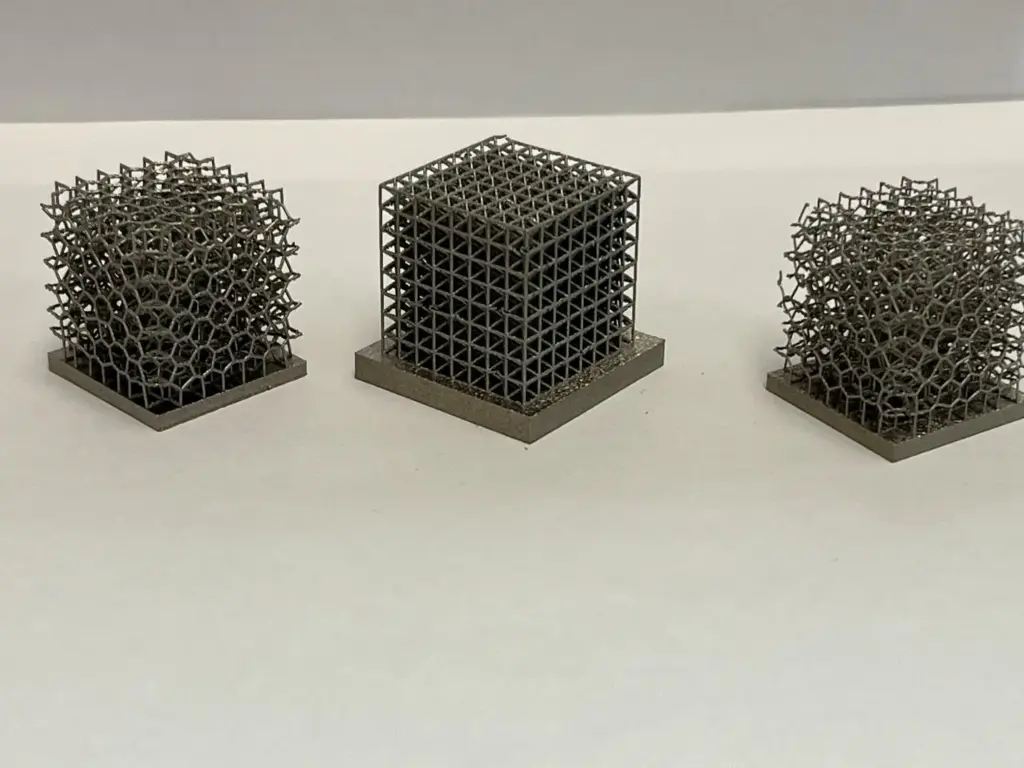
3D Printed metals
Combining the strength of metal with the lower density and custom geometry of polymer printing captures the best of both elements.
Design
For over forty years GasTran has been driven to deliver the most reliable and most efficient RPB systems to both our beverage and oil & gas customers. The three main areas where GasTran has focused their design and development efforts to deliver the best product to customers are Performance, Maintainability, and Cost.
Performance
GasTran focus on performance comes from a focus on our technology. GasTran has developed several packing solutions to meet our customers demanding performance requirements in chemical compatibility and performance, delivering interfacial areas up to 1500 m²/m³. By providing a series of sensors and controls GasTran offers the ability to integrate seamlessly into your process ensures a maximizing of process performance in any conditions while providing in depth information on what is happening in the RPB. GasTran also selects components like drive motors, seals, bearings, and valves to provide the utmost quality and reliability.
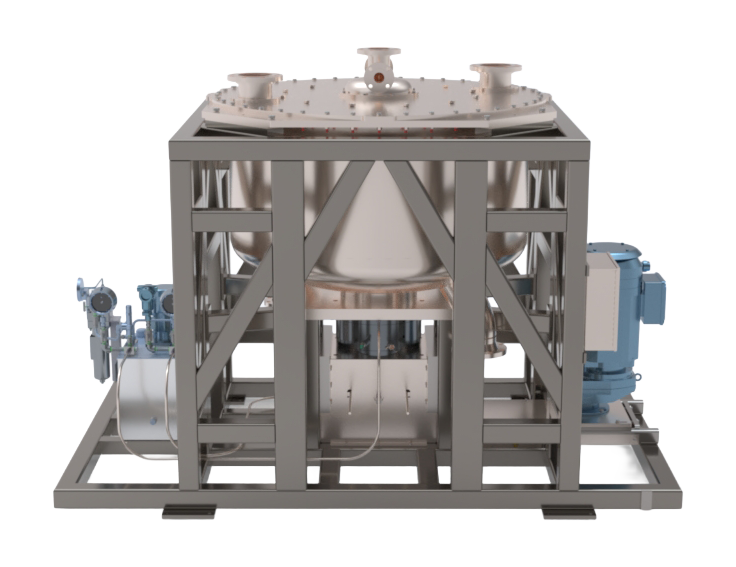
Maintainability
GasTran understands that an RPB is only a great investment when it is working. Along with designing our machines for high performance and reliability, we also design our machines for ease of use and maintenance. Integration of thermal and vibration sensors to monitor bearing health, auto greasers, and split style housings for seals and bearings are all ways GasTran can design your RPB to make ensuring its smooth and efficient performance as easy as possible. With GasTran’s years of service calls and an understanding of what it takes to be hands on with these machines, we also strive to minimize the hassle that comes with access points that are awkwardly placed, or too small to comfortably work in. GasTran also offers a selection of service plan options to make the proper maintenance of your machine a breeze, from offering replacement parts to full preventative maintenance plans with on-site service and everything in between — there is a reason many GasTran RPBs are still running after over twenty years of operation in the field.
Cost
GasTran understands that an RPB is a significant investment and we strive to ensure that our customers are receiving maximum return on their value. Beyond designing a reliable system that will have continuous uptime, GasTran sizes your RPB to be as efficient as possible while minimizing overall packing use. This not only reduces the upfront material cost of the packing but also has the benefit of reduction in bearing sizes, drive motors, and shipping/rigging costs compared to less efficient machines on the market.
Patented Technologies
Patented & patent pending technologies and know-how around liquid degassing, demister design, contaminated liquid treatment, additive manufacturing and alternative packing materials all around RPBs.
Demister technology is pivotal in reducing process fluid loss into the exiting gas stream by reducing the amount of entrained liquid which exits the RPB system in the gas stream. This reduces the amount of process liquid loss and associated costs of replacement as well as protecting the purity of the exhaust gas stream and minimizing the need to clean or purify through later process stages.
Packing is the most critical component of an RPB, therefore GasTran has pursued intellectual property on the materials and manufacturing techniques needed to provide the most efficient and reliable packing available. With interfacial areas of up to 1500 m²/m³, or void space as high as 97% available, GasTran packing performance is unrivaled.
Ready to Put RPB Technology to Work?
Connect with our engineering team to discuss your process requirements and learn how GasTran’s rotating packed bed technology can support your application.